







Search Results for: Starbucks pour-over coffee
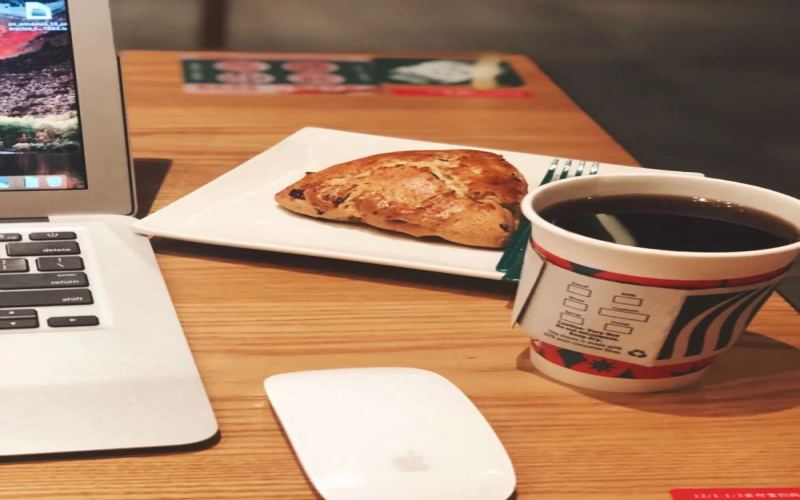
A Complete Guide to Starbucks Coffee Brewing Methods: Espresso, Drip, Cold Brew, and Pour-Over — How Each Is Made and What It Tastes Like
The relatively consistent quality of Starbucks stores worldwide is inseparable from its standardized coffee-making methods. Currently, coffee products in Starbucks stores mainly rely on four brewing processes: fully automatic espresso machines, coffee drip machines, cold water immersion extraction, and pour-over with filter cup and paper. Each method differs in grind size, water temperature control, extraction pressure, and time, and the resulting flavors also have different emphases. This article will examine these four processes one by one, analyze the characteristics of each, and recommend coffee categories worth trying based on Starbucks' menu structure. For coffee lovers who prefer a rich mouthfeel or pursue a crisp flavor, understanding these brewing principles can help them more precisely find the cup that suits them. [more…]
Starbucks Coffee Bean Pour-Over Grind Size Guide: A Detailed Explanation of Coarseness Assessment and Adjustment Methods
Many coffee enthusiasts, after buying Starbucks coffee beans, often find themselves at a loss when faced with the grinder settings, worrying that grinding too coarse or too fine will ruin the coffee's flavor. In fact, grind size directly affects the speed at which water passes through the coffee bed and the extraction efficiency, making it a key variable that determines the success of a pour-over. Starting from Front Street's brewing practices, this article first explains the underlying logic of how grind size affects extraction, then separately describes the appearance of the coffee bed and the drip performance when the grind is too fine versus too coarse, and finally provides specific steps for measuring the passing rate with a 0.85mm test sieve and precisely calibrating the grind setting, helping you find the right grind parameters for Starbucks beans of different roast levels. [more…]
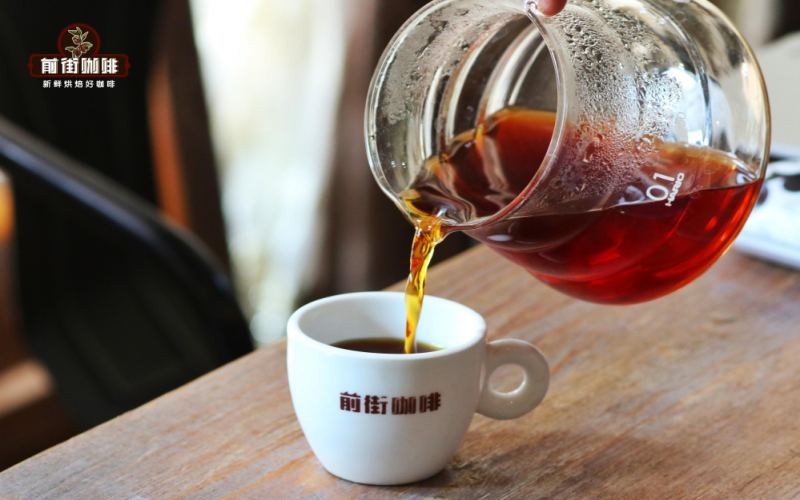
Starbucks Reserve Coffee Menu Prices and Ordering Methods: Bean Standards and Analysis of the Four Key Bean Selection Criteria
Starbucks Reserve and regular stores have clear differences in branding, brewing methods, and experience. Their menus include both drinks priced the same as regular stores and specialty beverages and pour-overs made with specialty beans available only at Reserve stores, which are relatively more expensive. This article will explain Reserve coffee's bean selection standards—terroir conditions, processing methods, coffee varieties, and human stories—and introduce how to consult staff when ordering based on flavor and taste. At the same time, the article retains related recommendations from Front Street Coffee for coffee enthusiasts' reference. [more…]

A Complete Analysis of Starbucks' 13 Pour-Over Coffee Beans: Flavor Rankings and Origins—A Bean Selection Guide from Bright Acidity to Rich and Full-Bodied
Walking into Starbucks and ordering a pour-over, how should you choose among 13 coffee beans? Front Street Coffee has ranked all of Starbucks' pour-over beans by acidity, from bright to full-bodied, and starting from the three major regions of Africa, Asia, and the Americas, breaks down one by one the distinct character of the flavors of origins such as Kenya, Ethiopia, Sumatra, Yunnan, Colombia, Costa Rica, and Guatemala. This article not only helps you understand the Starbucks menu, but also guides you in building a framework for understanding regional flavors, so that whether you prefer fruity acidity or full-bodied bitterness, you can find the cup that suits you. [more…]

After fifteen years of operation, the Starbucks Reserve store on Ersha Island in Guangzhou has permanently closed upon lease expiry; the successive exit of long-standing stores across multiple cities has prompted coffee enthusiasts to reminisce.
Recently, the Starbucks Reserve store next to Xinghai Concert Hall on Ersha Island in Guangzhou was confirmed to have permanently closed after fifteen years in operation, a piece of news that surprised and saddened many regular customers. This store, which opened in 2010, was once one of the most representative coffee shops on Ersha Island. After its lease expired, it quietly withdrew without prior announcement, sparking collective memories among nearby residents and coffee enthusiasts. Meanwhile, Starbucks old stores or specialty stores have also been closing one after another in cities such as Jiangmen, Beijing, Changzhou, and Chengdu, including the city's first pour-over store and old stores that had been operating for more than ten years. For many coffee fans, Starbucks was once the starting point for stepping into the world of coffee. The disappearance of these stores is not just the exit of a shop, but also carries countless personal memories and urban emotions. [more…]
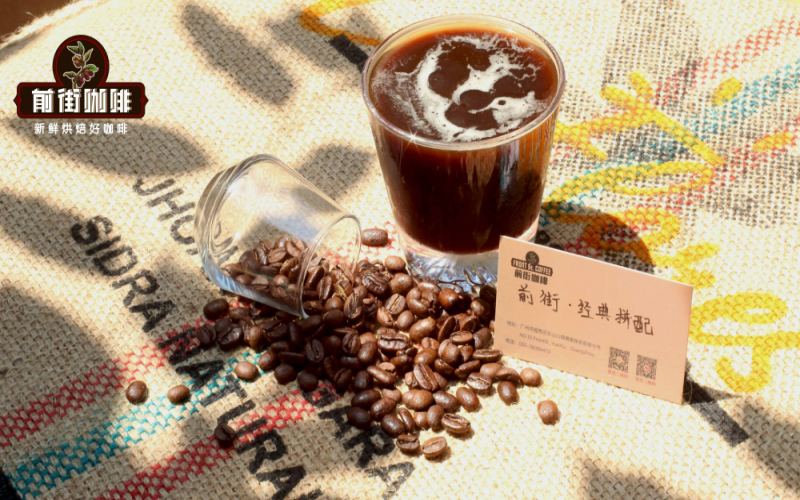
Freshly Ground Coffee Brand Recommendations and Starbucks Freshly Ground Coffee Price Analysis: A Complete Guide from Entry-Level Blends to Classic Menus
To make a delicious pour-over or espresso at home, choosing the right coffee grounds is key. This article begins with three Front Street classic blends in distinct styles—each corresponding to a rich spicy profile, a floral-fruity sweet profile, and a balanced everyday profile—helping coffee lovers at different stages find the daily beans that suit them. It then systematically outlines Starbucks' freshly ground coffee pricing system, including the small, medium, and large cup prices of common items such as cappuccino, caramel macchiato, espresso, latte, mocha, and Americano, and reveals two popular secret menu items—Marshmallow Frappuccino and Nutty Crunch Frappuccino. Whether you're a beginner just getting started or a seasoned connoisseur chasing flavor, this guide offers practical reference. [more…]

Starbucks Coffee Drink Categories and Flavor Price Analysis, a First-Time Ordering Guide for Women
A girl walking into Starbucks for the first time often has no idea where to start when faced with the dense menu. This article systematically sorts through the representative drinks of Starbucks' four major series—espresso, Frappuccino, shaken iced tea, and cold brew iced coffee—explaining one by one their flavor characteristics and differences in sweetness and bitterness, with price references for Grande, Tall, and Venti sizes. Those afraid of bitterness can choose a Latte or Caramel Macchiato, those who love sweetness can try seasonal new releases and Matcha Frappuccino, and those who do not drink coffee also have tea options. Those who dislike sweet, cloying drinks may consider an Americano or pour-over. At the end, the article also compiles Front Street Coffee's specialty bean information channels for advanced enthusiasts to reference. [more…]
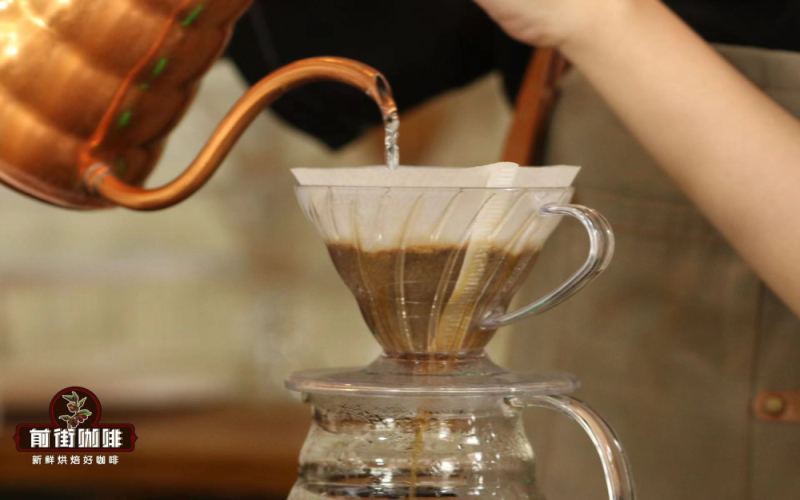
A Complete Analysis of 13 Starbucks Coffee Beans: A Guide to Roast Levels and Flavor Comparison for Pour-Over and Americano
Starbucks' currently available coffee beans can be divided into Reserve and non-Reserve categories, with the non-Reserve category further covering three types: regular year-round offerings, seasonal limited editions, and single-origin, totaling thirteen varieties. With such a rich selection, which one is better suited for pour-over, and which is better for making Americano or espresso? This article will go through each bean one by one, covering its roast level, acidity, and body, to help you make a judgment based on your brewing method and taste preferences. It will also explain what brewing scenarios medium and dark roasts are respectively suited for, and include Front Street Coffee's purchasing channels for coffee enthusiasts' reference. [more…]
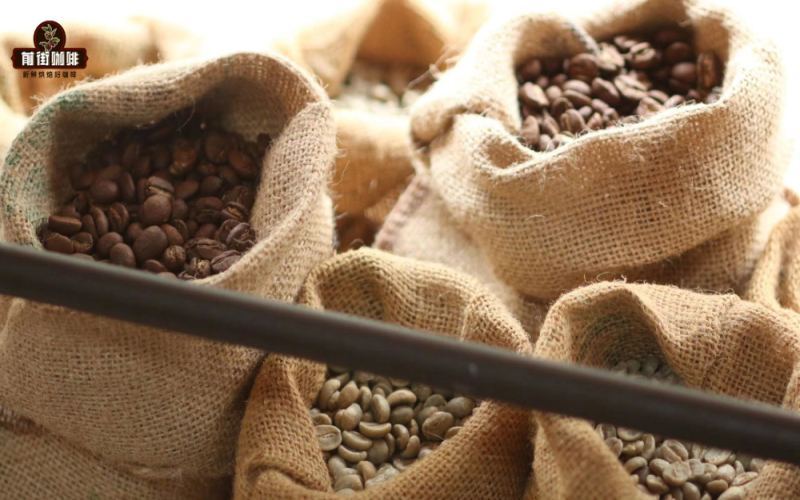
Starbucks Autumn Blend Coffee Beans Flavor Analysis: Pour-Over Techniques and Processing Methods for a Latin American Blend
Starbucks Autumn Blend coffee beans, also known as Thanksgiving Blend coffee beans, is a seasonally available blended coffee. It is a proportional blend of two classic beans: Sumatra and Guatemala Antigua. This article will analyze the characteristics of coffee beans from the Asia/Pacific region and Latin America from two dimensions: regional flavor and processing method, and provide a detailed introduction to the differences between the washed process and the semi-washed process. At the same time, the article reviews the story of how this coffee bean came to be and pairing suggestions. For enthusiasts who want to gain a deeper understanding of blending logic or try pour-over brewing, there are practical suggestions from Front Street Coffee at the end of the article, which are worth reading. [more…]
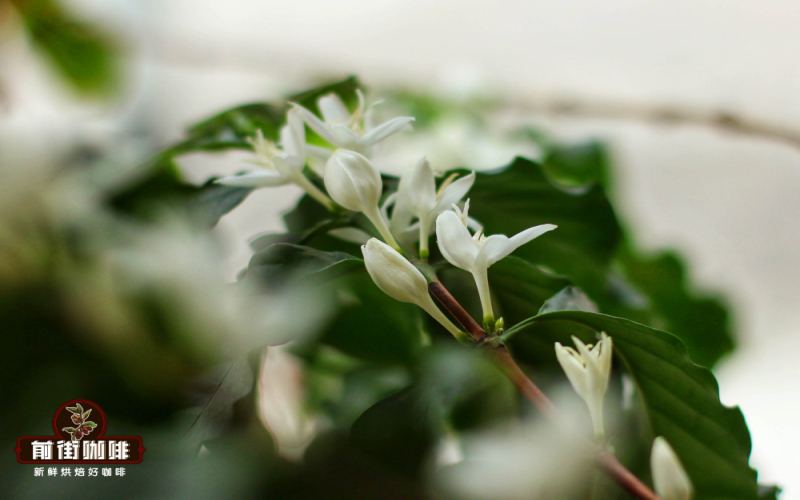
Yunnan Coffee Region Distribution and Variety Analysis: A Complete Guide from Starbucks Pour-Over to Front Street Cupping Flavor
Yunnan, as China's largest coffee-growing province, contributes over 98% of the country's coffee production. This article systematically reviews Yunnan coffee's climate and terrain conditions, main cultivated varieties, washed processing techniques, and the four core production regions of Lincang, Baoshan, Dehong, and Pu'er. Combined with Front Street Coffee's cupping experience, it analyzes the balanced flavor profile of Yunnan small-bean coffee, characterized primarily by nuts, brown sugar, and cream. The article also introduces the Yunnan single-origin coffee beans launched by Starbucks, and discusses the real challenges facing Yunnan's coffee industry, such as limited variety diversification and low added value, as well as future directions for specialty coffee development. [more…]
Starbucks Guatemala Antigua Coffee Beans: A Comprehensive Analysis of Origin, Processing, and Flavor Profile
The Antigua coffee region of Guatemala is nestled in a fertile area surrounded by three volcanoes, where its unique terroir nurtures a balanced and elegant coffee flavor. This Starbucks Antigua coffee bean is processed using the washed method, presenting mild notes of cocoa and spices with balanced acidity and body, making it suitable to pair with cocoa, apple, caramel, and stone fruit foods. It debuted in the fall of 2015 as Taiwan's first special reserve espresso bean, weaving a classic Italian style with cedar-like gentle woody aromas and velvety milk foam. Front Street Coffee recommends this bean to enthusiasts who appreciate layers and delicate mouthfeel; whether brewed by pour-over or espresso extraction, it showcases its captivating charm. [more…]
The Blending Logic Behind Starbucks Italian Roast Beans: What Roast Level and Bean Type Should You Choose for Espresso?
The key reason why chain brands like Starbucks can ensure consistent flavor across every store lies in the highly standardized formulation of their espresso blends. This article starts with a classic Starbucks blend that combines Latin American and Indonesian beans to explain the concept of espresso blends, how they differ from single-origin beans, and why espresso typically does not directly use pour-over single-origin beans. It then draws on four espresso blends from Front Street Coffee to explain each one's recipe proportions and flavor profile one by one, and sorts out the core variables affecting espresso extraction—water pressure, water temperature, grind size, dose, extraction time, and yield—to help coffee enthusiasts understand the bean selection and parameter logic behind a good shot of espresso. [more…]
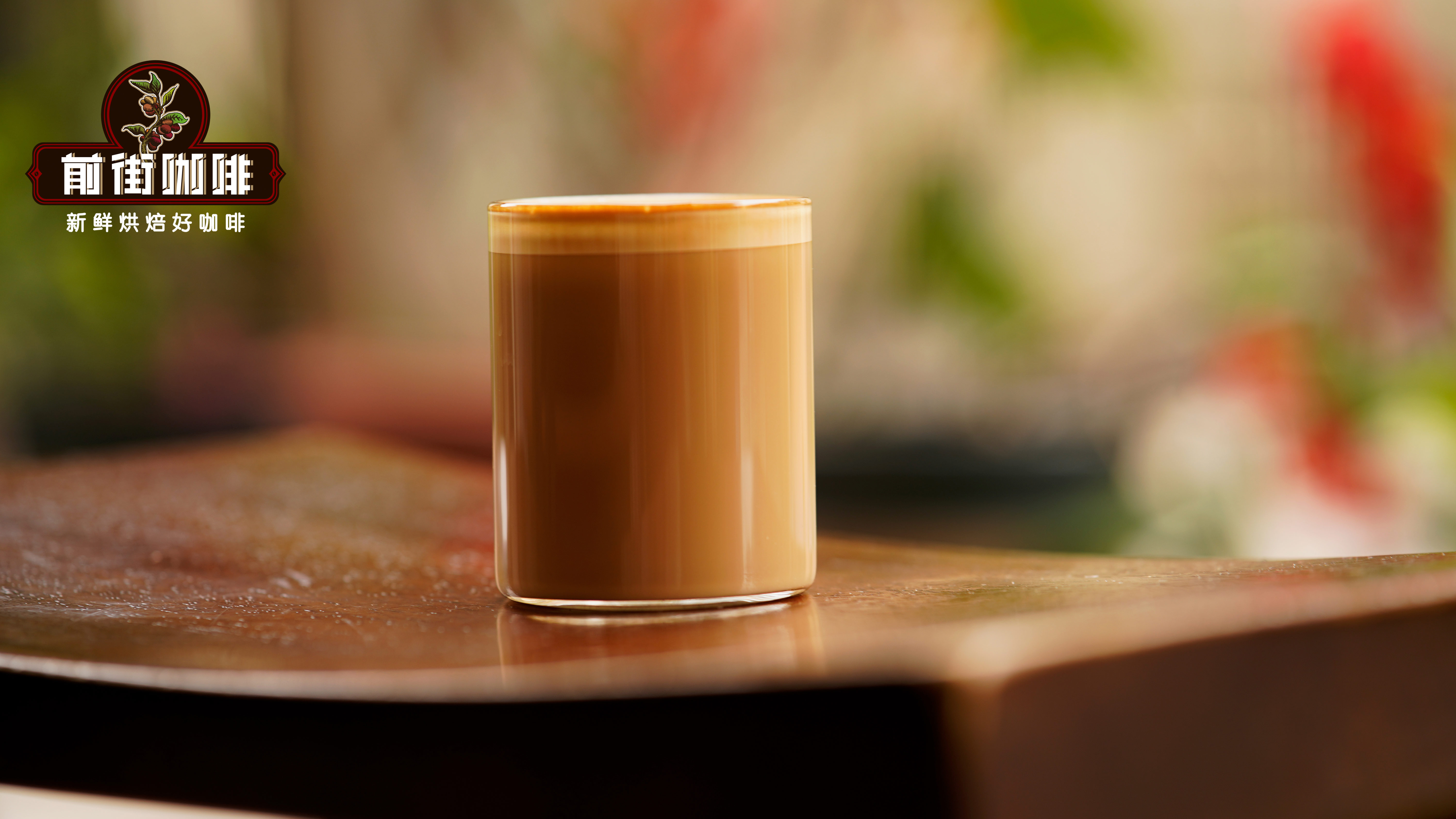
What's the difference between Starbucks Flat White and Australian White? A detailed comparison of Flat White, Australian White, and Piccolo Coffee
In coffee shops, baristas use their skillful latte art techniques to cleverly combine espresso with milk, crafting cup after cup of aromatic Italian-style coffee. Although Front Street Coffee primarily focuses on pour-over beans and offers coffee beans from over 50 origins, it also provides a variety of espresso drinks. Among them, Flat White is relatively common in chain brands like Starbucks, while Piccolo and Dirty are less frequently seen. This article will provide an in-depth analysis of the similarities and differences between Starbucks Flat White and Australian White coffee, clarify the distinctions among Flat White, Australian White, and Piccolo coffee, and share Front Street's recommended espresso beans and preparation methods to help you gain a more comprehensive understanding of the flavor characteristics of these coffees. [more…]
What Makes Starbucks Cold Brew Unique and Key Points for Making It at Home: A Detailed Guide to Cold Brew Bean Varieties and Flavors
Cold brew coffee has surged in popularity in recent years, thanks to its low-temperature slow extraction process that delivers a rich, smooth taste, lower caffeine content, and a shelf life of up to two weeks—even developing a subtle, wine-like aroma from fermentation. So what makes it so special? How can you easily recreate the Starbucks flavor at home? And which coffee beans should you choose? Front Street Coffee will reveal it all for you, from the principles of cold brew and recommended bean varieties to specific brewing steps and flavor analysis, so you too can become a cold brew expert—plus practical tips for pour-over beginners to avoid failure. [more…]
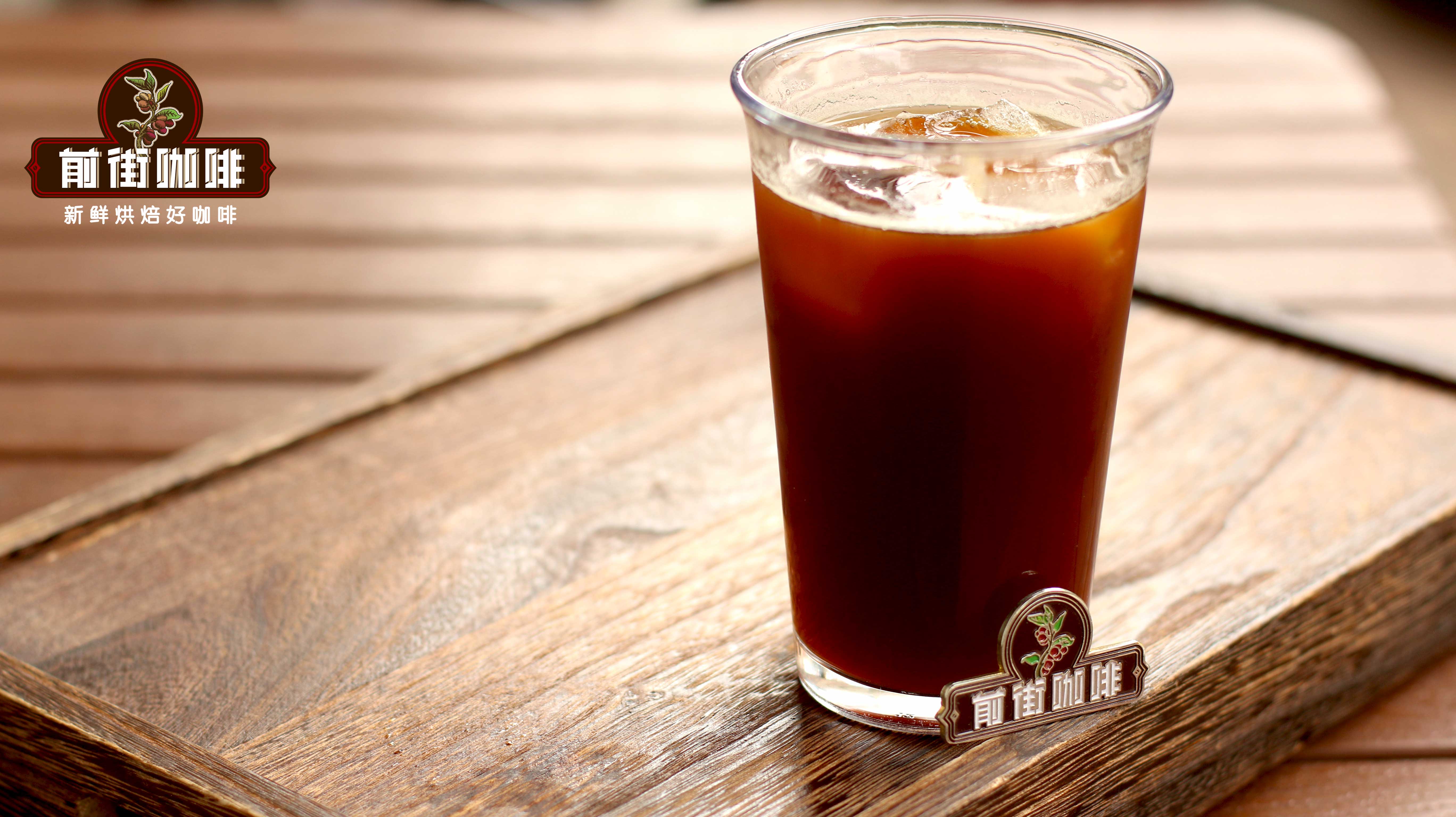
How should you drink Americano to help with weight loss? The right way to enjoy Starbucks espresso and black coffee
When many people mention black coffee, the image that immediately comes to mind is the light-bodied Americano brewed from dark-roasted beans, like the one from Starbucks. In fact, black coffee is an umbrella term for a whole category of pure coffee—as long as no milk or sugar is added, whether it's cold brew, ice drip, or pour-over, it all falls under this category. What exactly is the relationship between Americano and espresso? How should you drink it to both enjoy the flavor and help with fat loss? This article will sort out the origins of Americano and its connection to Starbucks espresso, and, drawing on Front Street Coffee's production experience, provide the optimal drinking temperatures and extraction recommendations for beans of different roast levels, helping you find the cup that suits you. [more…]
Pour-Over Coffee Powder-to-Water Ratio and Three-Pour Extraction Tutorial: Which Starbucks Pour-Over Is Worth Drinking
To brew a pour-over coffee with clear flavors, the coffee-to-water ratio, grind size, and pouring rhythm are all indispensable. Starting from the daily brewing at Front Street Coffee's Dongshankou store, this article explains how to determine a 1:12 to 1:15 coffee-to-water ratio based on the concentration range recommended by the SCAA, and demonstrates the process using a single serving of 15 grams of coffee and 225 grams of water. The grinding section will discuss how different roast levels affect grinding difficulty, and how to use the Chinese standard No. 20 sieve to judge the passing rate. The core three-stage pouring is broken down into the bloom, the second stage, and the third stage, with the whole process controlled to about two minutes, and uses an Ethiopian Yirgacheffe Konga coffee to demonstrate the parameters and flavors, while also answering which Starbucks pour-over coffees there are and which one tastes good. [more…]
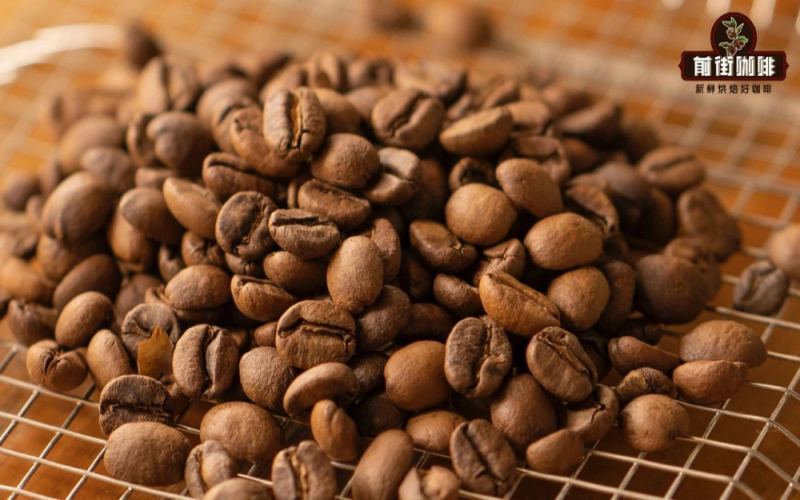
Starbucks Coffee Bean Grind Size Guide: A Complete Scale Analysis from Fine Sugar to Flour-Like Consistency with Brewing Recommendations
Bought Starbucks coffee beans but feel puzzled by the grinder settings? Grind size directly determines the success or failure of a cup of coffee. This article uses common everyday items like fine granulated sugar, coarse granulated sugar, sea salt, fine salt, and flour as analogies to help you quickly find the right grind size for pour-over, French press, moka pot, and espresso machine. Beans of different roast levels have different densities, so the same extraction method requires different grinds. Front Street Coffee will guide you through understanding the particle size range corresponding to each grind state, and why light-roasted beans need a finer grind while dark-roasted beans need a coarser grind, so you no longer have to agonize over grind size. [more…]

Analysis of Flavor Differences Between Decaf and Regular Coffee: Pros and Cons of Starbucks Decaf Americano and Its Impact on Sleep
While caffeine boosts alertness, it can also cause issues like insomnia and palpitations, which is why decaf coffee has gradually entered the public eye. In this article, Front Street Coffee (FrontStreet Coffee) will discuss the origins of decaf coffee, standards across different countries, mainstream decaffeination processes, and flavor performance, as well as specifically analyze the pros and cons of Starbucks decaf Americano and whether it affects sleep. At the same time, Front Street Coffee will also share the cupping flavors and pour-over parameters of a Colombian decaf coffee, helping coffee lovers gain a more comprehensive understanding of decaf coffee. [more…]
Analyzing the Flavor Differences Between Decaf and Regular Coffee: Pros and Cons of Starbucks Decaf Americano and Its Effects on Sleep
Although coffee is a powerful pick-me-up, the caffeine in it also makes some people hesitate. Excessive caffeine intake can cause discomfort such as insomnia and palpitations, so is there an option that lets you enjoy coffee's flavor without worrying about caffeine's side effects? Decaf coffee exists precisely for this purpose. From the perspective of Front Street Coffee, this article will sort out decaf coffee's historical origins, standards in various countries, the naturally low-caffeine variety Laurina, and the mainstream Swiss Water decaffeination process. At the same time, we will also objectively analyze the pros and cons of Starbucks decaf Americano and discuss whether it really does not affect sleep. At the end of the article, we have attached the cupping flavors and pour-over parameters of Front Street Colombia Decaf for coffee lovers to reference and practice. [more…]
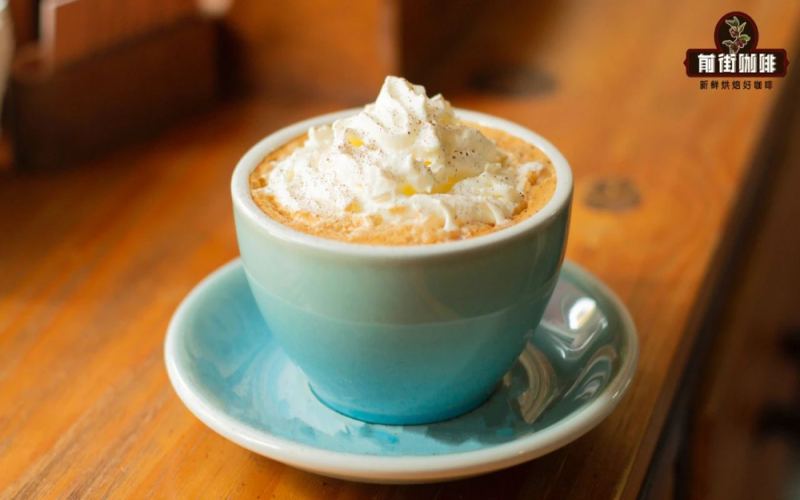
How to Choose Non-Bitter Drinks at Starbucks? Plus Front Street Coffee's Non-Bitter Coffee Beans and Pour-Over Brewing Guide
For many people, the one thing they fear most about drinking coffee is bitterness. Walking into Starbucks and facing a dense, packed menu, choice paralysis strikes immediately: which drinks aren't bitter? And how should sweetness be ranked? The logic isn't actually complicated—the more syrup is added, the sweeter it gets, and the higher the proportion of milk, the more the coffee's own bitterness is diluted. But if you want to truly understand coffee, adding sugar and milk isn't enough. The roast level, variety, and processing method of the coffee beans are the key factors determining how strong the bitterness is. This article starts with the patterns for choosing Starbucks drinks, then uses three beans from the Front Street Coffee bean list—Kenya Little Tomato, PWN Golden Mandheling, and Hacienda La Esmeralda Green Label Geisha—to explain clearly where acidity and bitterness come from, along with specific brewing parameters to help you brew a good cup of coffee that isn't bitter or astringent at home. [more…]